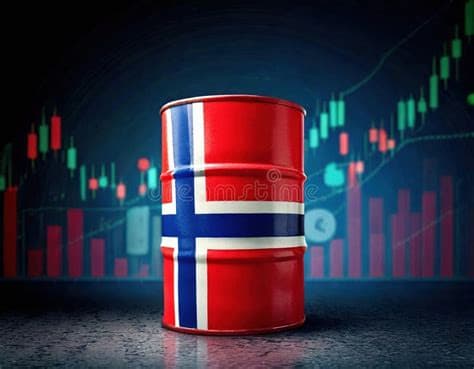
title: "Norwegian Krone and Oil: Trading NOK-Sensitive Nordic Stocks" description: "How oil prices move the Norwegian krone and which Oslo stocks rise or fall. NOK correlation guide for Nordic equity traders." category: Guides author: "NordTraders Editorial" date: "2026-07-30" tags: [norway, krone, oil, currency, oslo] word_count: 600
Norway is a commodity currency dressed up as a developed market. The krone moves with oil, and half the OSEBX moves with the krone. If you trade Norwegian stocks without watching Brent crude, you are missing the biggest signal on the tape.
The Oil Link
Norway is Western Europe's largest oil producer. When Brent crude rises, the krone strengthens. Oil revenues flow into the sovereign wealth fund, demand for NOK increases, and the currency appreciates. When oil falls, the krone weakens.
The correlation is not perfect but it is strong enough to trade around. A 10 percent move in Brent tends to move the krone 3 to 5 percent against the euro over the following weeks. The effect is faster on the downside than the upside because panic moves currencies faster than confidence.
Who Wins and Who Loses
A weaker krone helps exporters and hurts importers. A stronger krone hurts exporters and helps importers. On Oslo Børs, that splits the index in half.
Equinor, Aker BP, and Vår Energi benefit from higher oil directly because revenue is in dollars and costs are partly in krone. The double tailwind of higher oil and a weaker krone is their ideal setup. When both hit at once, these names can rally 15 to 20 percent in a quarter.
SalMar, Mowi, and Bakkafrost are salmon farmers. They export in euros and dollars. A weaker krone makes their fish cheaper for foreign buyers and flatters their krone-denominated earnings. Fish is not oil, but the currency effect still lands.
On the other side, companies that import raw materials or have euro-denominated debt suffer when the krone weakens. Norwegian Air Shuttle and other transport names feel it through fuel costs. Yara, the fertilizer giant, benefits from cheap Norwegian hydropower but exports globally, so the currency effect is mixed.
How to Trade It
Watch the Brent crude chart alongside your Norwegian watchlist. If oil spikes 5 percent on supply news, expect the krone to strengthen over the next few days. That means export-heavy names may underperform and the market may rotate into domestic names.
If oil drops sharply and the krone follows, the salmon stocks and oil producers become relative value plays, but only if their fundamentals are intact. A falling krone from falling oil because global demand is slowing is not a buy signal. It is a warning.
The scanner does not factor currency into its filters because currency overlays add noise. But you should. A Norwegian trade idea that passes the math gates should get a second look through the krone lens before you pull the trigger. The filter finds the setup. The currency context tells you whether the wind is at your back or in your face.